The Essex Files: Trump’s Strategy Cuts the Cartels Off at the Source
 By Brad Essex
Colombia has lived with the drug trade for decades. What began with marijuana in the 1970s grew into cocaine empires that turned cities into battlegrounds and left thousands dead. The Medellín and Cali cartels once controlled vast routes north. Pablo Escobar’s organization assassinated judges, politicians, and police. After those groups fractured, FARC guerrillas and later dissident factions plus Mexican cartels filled the vacuum. Coca cultivation expanded even as successive Colombian governments, often with U.S. support under Plan Colombia, tried aerial spraying, military pressure, and crop substitution. Progress came in fits. Violence never fully left.
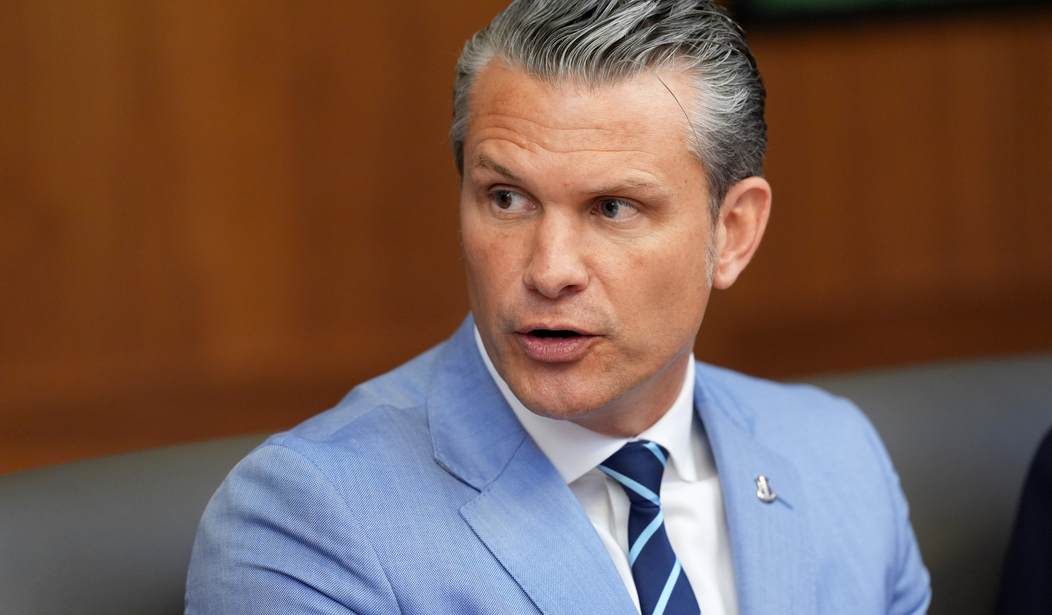
Today the problem still crosses borders — and directly impacts American communities. Cartels move product through Panama’s ports and along shared frontiers before pushing it through Mexico to the U.S. southern border. Securing our own border requires shutting down these pipelines at the origin point. Corruption and weak governance in parts of the region keep those routes open. Defense Secretary Pete Hegseth is pressing regional allies to step up action against these criminal networks. That focus is overdue. The United States cannot treat the flow of cocaine and the border violence that travels with it as someone else’s problem.
.@SECWAR “I am also proud to announce that Colombia will join the Americas Counter-Cartel Coalition, becoming the 19th member.
— DOW Rapid Response (@DOWResponse) August 12, 2026
Through newly inaugurated President Abelardo De La Espriella—Colombia has requested that the Department of War join in its fight against… pic.twitter.com/JGPwUtQmSr
President Trump has made clear he intends to disrupt the supply chain at its political roots as well. Removing Nicolás Maduro and his wife from power in Venezuela forms part of that approach. Maduro’s government has long faced credible accusations of shielding traffickers and allowing Venezuelan territory to serve as a transit and staging area. As long as that regime remains, pressure on transit routes alone will face limits. Targeting the political protection that cartels enjoy is a logical extension of any serious effort to cut the trade.
Hegseth’s outreach to regional partners fits the same pattern. It asks partners to enforce their own laws more aggressively, share intelligence, and deny safe haven. Past U.S. administrations poured money into the region with mixed results. The difference now is an insistence on measurable results rather than open-ended assistance.
Colombia just became the 19th country to join the Americas Counter Cartel Coalition (A3C) and requested U.S. participation in joint military operations to destroy narco-terrorists. https://t.co/bn3YVSda8S pic.twitter.com/5V5tdBKNWI
— Patrick Weaver (@PatrickWeaverPA) August 12, 2026
With newly inaugurated right-wing leaders like President Abelardo de la Espriella in Colombia pledging zero tolerance for drug networks, a real window for regional cooperation has opened. Panama controls critical chokepoints. Both countries have strong incentives to act if the alternative is continued regional instability, unchecked cartel expansion, and U.S. impatience.
Critics will call the approach heavy-handed. They said the same about earlier interdiction campaigns. Yet the human cost of inaction is visible in American overdose numbers, uncontrolled border crime, and the bloodshed that still marks parts of Latin America. A policy that treats cartels as national security threats rather than law-enforcement footnotes is simply realistic. It does not require lectures about ideology. It requires governments in the region to decide whether they will tolerate criminal armies on their soil.
Colombia's new president,Abelardo de la Esperanza,has declared all-out war on drug cartels, ordering the deployment of thousands of fighters,the construction of "mega-prisons"and the intensification of airstrikes,while receiving massive security assistance from the United States. pic.twitter.com/xNxYvynrpo
— Vegas ʷ̣ (@vegasyx) August 10, 2026
Trump’s broader posture links the Venezuela question to the drug fight for a reason. Maduro’s exit removed a major obstacle to regional cooperation. It would also signal that the United States no longer accepts the status quo of protected trafficking corridors running straight to our border. Combined with Hegseth’s pressure on Colombia and Panama, the strategy aims to raise the cost of doing business for the cartels.
None of this will end the drug trade overnight. Demand in the United States remains high and new routes will appear. But ignoring the political enablers and the transit countries has already been tried. The record shows that approach failed to deliver lasting gains. A clearer demand for accountability from partners, paired with consequences for regimes that shelter traffickers, offers a far more coherent path.
Colombia’s long war with the cartels proves the stakes. The violence of the Escobar years, the expansion of coca under guerrilla protection, and the persistent northward flow all demonstrate that half-measures invite more of the same. Supporting partners who confront the problem while refusing to prop up those who enable it is not radical. It is the minimum required of a nation serious about securing its borders, protecting its citizens, and helping neighbors reclaim their territory from criminal control.
 |
⭐⭐⭐⭐⭐