Could Tehran Try to Disrupt the US Midterms With a Preemptive Strike?
 Tehran believes it is winning, The Washington Post columnist Marc A. Thiessen writes. Iranian leaders may have concluded that Trump will launch an attack after the midterms anyways. Thus, they may want to be the ones to trigger an escalation before the vote – to deliver a victory for Democrats who may stop funding the war.
Writing in a Washington Post opinion piece published August 20, Marc A. Thiessen argued that Iran retains the firepower and the motive to strike before the US midterms. President Donald Trump, for his part, waved the recent Iranian drone strike on the United Arab Emirates as routine, saying Iran "shoot[s] a drone every once in a while" and dismissing it as having little more than "nuisance value." The bigger question, Thiessen wrote, is whether something larger is coming.
Trump has paired patience with economic force. A reimposed blockade has driven Iranian oil exports toward zero. American forces quietly shepherd roughly 10 million barrels of oil through the Strait of Hormuz each day. On Wednesday he raised the stakes further, promising "ECONOMIC D-DAY" and vowing "the MOST CRUSHING ECONOMIC OPERATION EVER TAKEN AGAINST ANY COUNTRY" against any nation still doing business with Tehran, Thiessen noted.
He has also framed the political cost in blunt terms. Higher gas prices, Trump told voters, are a fair trade "so that a very evil country cannot have … a nuclear weapon." He has vowed he will "never apologize" for military action against Iran's nuclear program – a stance Thiessen called politically courageous.
Iran's leadership, however, has drawn a different lesson from six months of US restraint: that Trump does not want to restart a major war, the Washington Post piece argued. Tehran has tested that theory with drone and missile strikes on commercial vessels in the strait and a ballistic missile attack on US troops in Jordan. Each time, Trump has come close to ordering a decisive strike, then pulled back.
That pattern has emboldened Tehran further. Operation Epic Fury inflicted heavy losses – more than 85% of Iran's defense industrial base destroyed, its navy sunk, its air force grounded, Thiessen wrote. Trump halted the campaign roughly 14 days short of finishing US Central Command's target list, however, leaving Iran enough remaining firepower to threaten Gulf energy sites, American bases and vessels making covert transits through the strait.
November's vote could be the moment Iran chooses to use it. Trump's own hesitation to resume major combat stems partly from fear that Iran would hit Gulf energy infrastructure in retaliation – pulling oil off world markets and risking a global downturn. As Trump put it, "I never want to be the late, great Herbert Hoover."
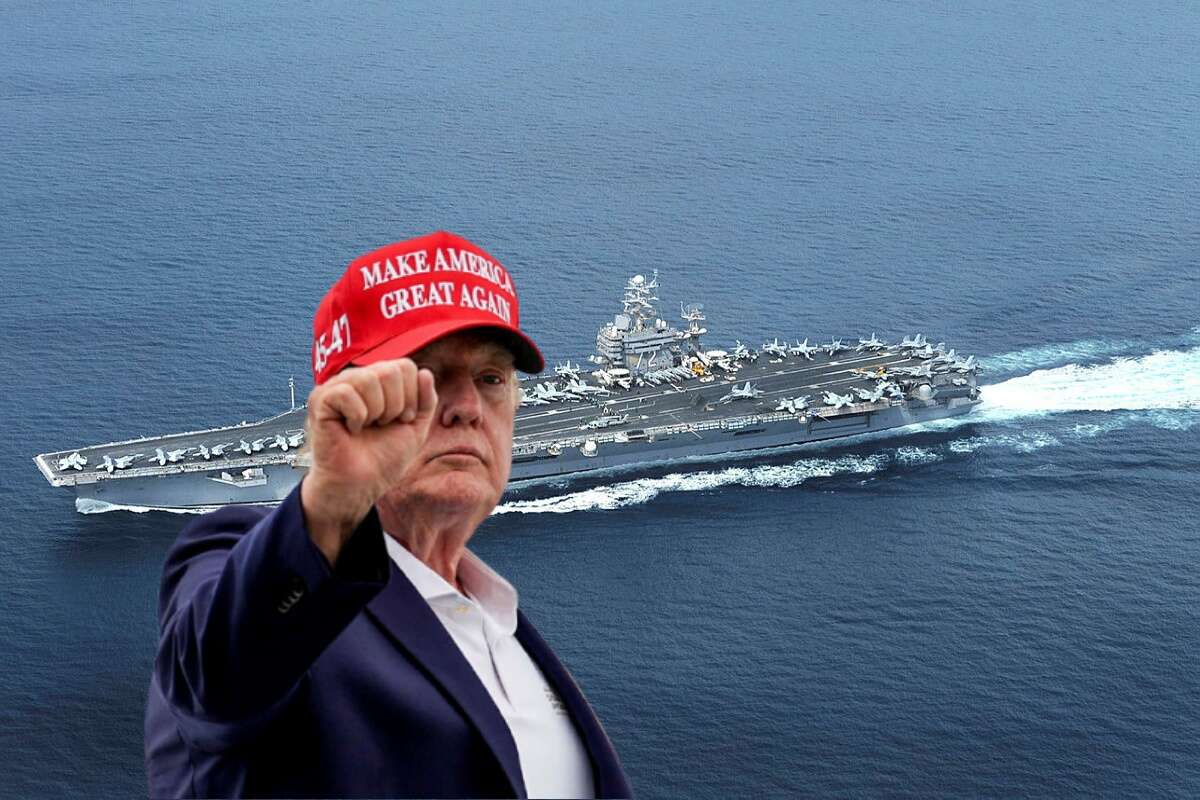
"Iran could decide to use that firepower before Americans go to the polls in November. One reason Trump has hesitated to resume major combat has been his stated concern that Iran might retaliate by launching attacks on energy targets in Saudi Arabia, Qatar and other Gulf states, taking much of their oil off the world market and sparking a global depression," Thiessen writes adding, "They may also believe that the United States intends to attack them after the midterms anyway, making it in their interest to resume fighting when it would do maximum political damage to Trump. Launching such a preemptive attack might not be rational, given the likely U.S. response."
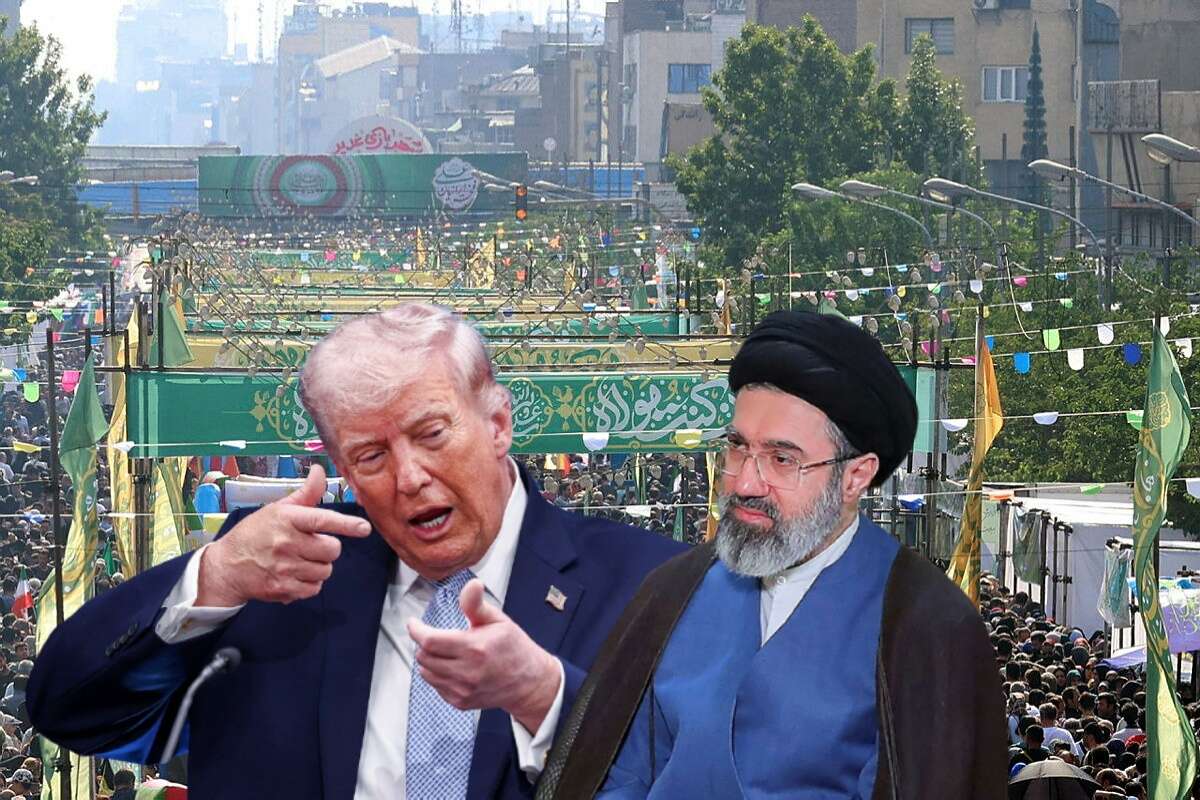
Tehran believes it is winning, Thiessen argued. Retired Gen. Jack Keane said Iranian leaders may calculate that an attack before the midterms improves their odds, since "there's a good chance that the Democrats will take control and maybe stop funding the war." They may also assume Washington intends to strike after the midterms regardless – reasoning that makes an earlier attack, timed for maximum political damage, more appealing.
Such a move might not hold up to rational cost-benefit analysis given the likely US response. But Trump has repeatedly called Iran's leadership "sick" and said "there is something wrong with them." Sick regimes, the argument goes, miscalculate.
Thiessen argued that the surest way to close off that possibility is to strike first. A decisive, final blow now – rather than waiting for Tehran's next move – would let Trump respond on American terms rather than Iran's. It could also let him claim victory well before the midterms, hitting Iran's leadership, economy, energy infrastructure and nuclear program in one stroke.
Trump made a similar calculation before launching Operation Epic Fury in February, weighing the dangers of action against inaction and judging inaction the greater threat, the Washington Post piece recalled. That bet paid off then. The same logic, Thiessen concluded, applies today.
Original Here

|
⭐⭐⭐⭐⭐