Board of Peace Blurs Yellow Line as It Wages Uphill Battle to Advance Gaza Plan
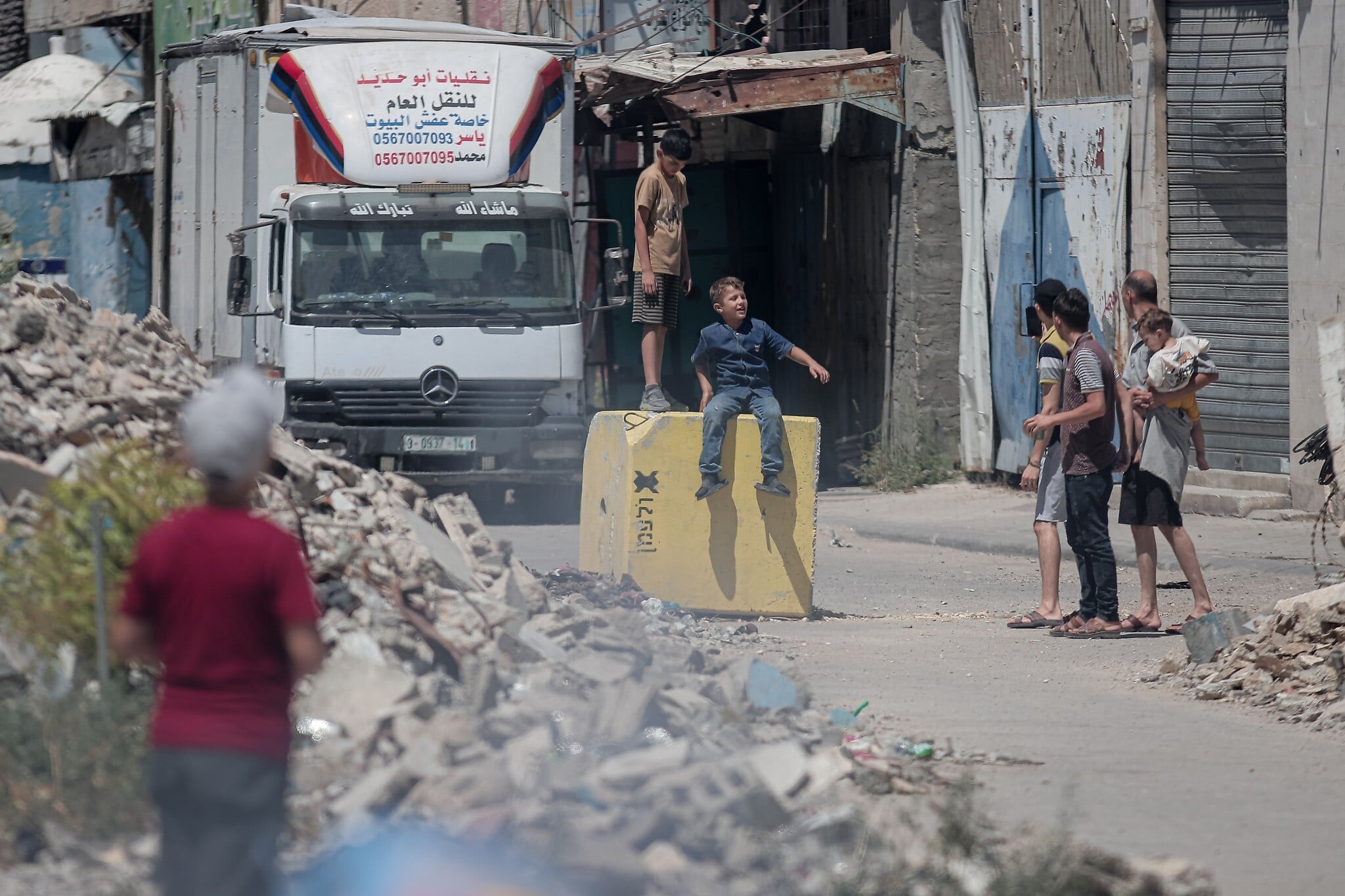
WASHINGTON — The US-controlled Board of Peace accomplished what many observers thought was impossible until just two weeks ago, when it coaxed Hamas to accept a proposal that envisions the terror group handing over all of its weapons.
Briefing reporters hours after Hamas approved the disarmament proposal, a senior US official indicated that its implementation could begin immediately because approval from Israel wasn’t even necessary to move forward.
The US official reasoned that Israel had already, in September, agreed to US President Donald Trump’s 20-point plan for ending the Gaza war. Jerusalem was just being asked to uphold its commitments from that umbrella framework, whereas the 15-point disarmament plan was a matter for the Board of Peace and Hamas only.
But Prime Minister Benjamin Netanyahu saw things differently, and came out against the disarmament plan, insisting that the Israel Defense Forces would not conduct any of the withdrawals required by both the 15- and the 20-point proposals.
Recognizing that Israeli buy-in is in fact needed, the Board of Peace engaged intensively with Jerusalem to secure its support. But if any changes are made to the disarmament proposal, that would risk losing the hard-won support of Hamas for it.
Accordingly, the Board of Peace has maintained significant ambiguity as to how its postwar Gaza reconstruction is supposed to proceed, with decisions sometimes being made on an ad hoc basis.
Which Yellow Line?
An example of this can be seen in its definition of the Yellow Line.
Under the terms of the October 2025 ceasefire deal with Hamas, Israel was required to pull its forces to that demarcation, which roughly divided Gaza into eastern and western halves. The pull-back left the IDF in control of 53 percent of the Strip.
But that ceasefire deal was only the first phase of Trump’s 20-point plan. The second phase envisioned Hamas handing over its weapons and Israel withdrawing completely from the Strip.
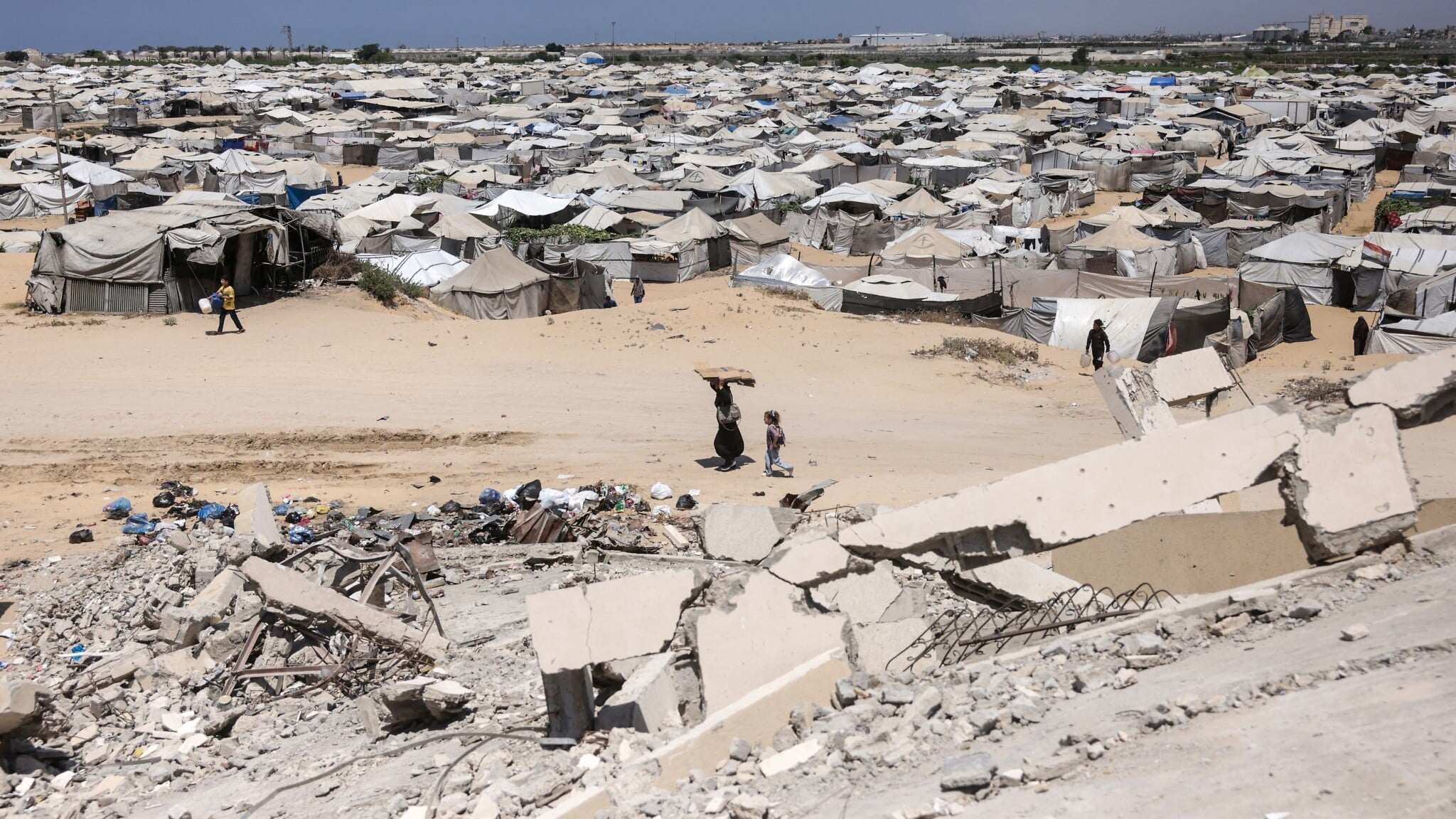
As phase two disarmament talks with Hamas stalled, Netanyahu directed the IDF to occupy 70% of Gaza, pushing the Yellow Line several hundred meters toward the coast and further shrinking the territory where the some 2 million Palestinian residents of the Strip were forced to live.
Despite the apparent flouting of the October ceasefire’s withdrawal terms, the Board of Peace refrained from demanding Israel reverse course, with some officials from the panel assuring Mideast mediating countries Egypt, Qatar and Turkey that it would do so once Hamas agreed to the board’s disarmament plan, an Arab diplomat told The Times of Israel.
After months of negotiating, the terror group did just that on July 30.
The approved proposal for Hamas’s gradual disarmament requires Israel to “fully complete, without delay, all remaining commitments under Sharm Sheikh Protocol” — the name of the 2025 ceasefire deal, which among other things ordered an Israeli pullback to the Yellow Line.
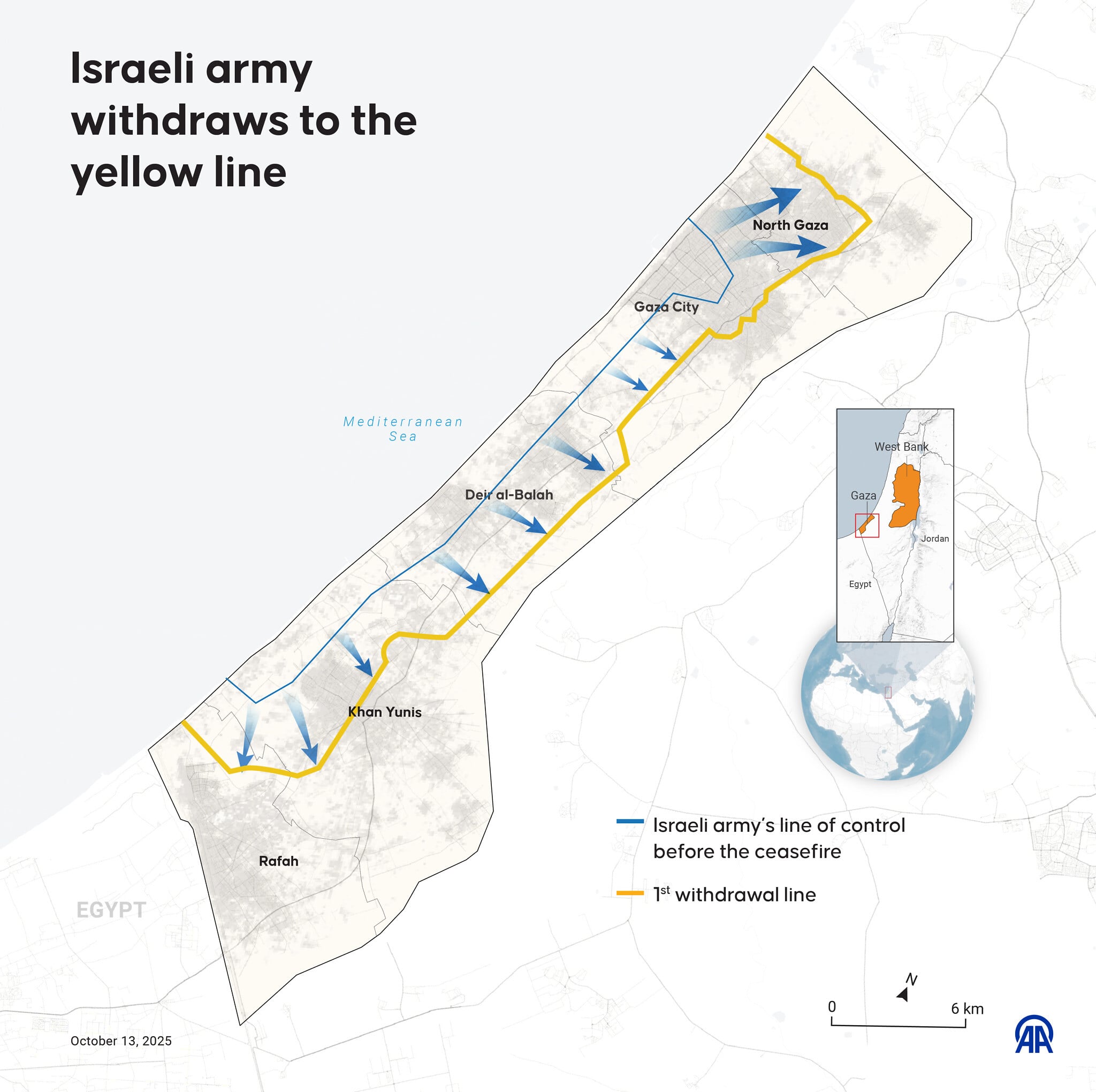
But which Yellow Line — the original one that left Israel in control of 53% of the Strip, or the newer one that gave Israel control of 60% to 70% of the territory?
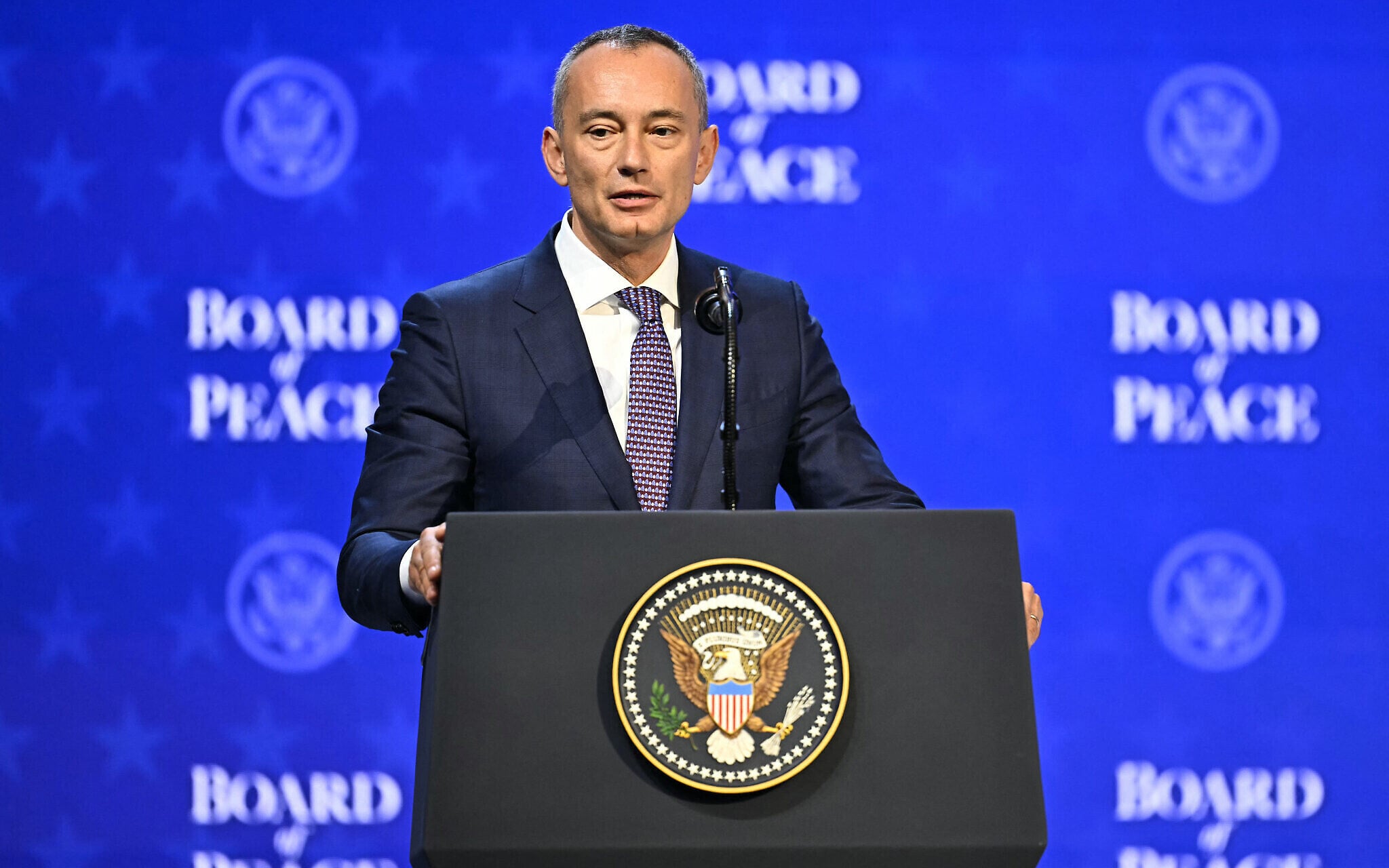
The Board of Peace’s top Gaza envoy, Nickolay Mladenov, offered some clarity on the matter in a Sunday interview with Channel 12, while leaving questions unanswered.
“Israel is currently at the Yellow Line,” he said. “That is where its troops are. What we are asking is that the IDF not position troops further from the Yellow Line. We would like them to stay at those positions.”
A spokesperson for the Board of Peace declined to offer further detail beyond Mladenov’s remarks.
Depends whom you ask
Speaking on condition of anonymity, however, a source familiar with the matter said that while Israel may have moved the Yellow Line in recent months, its troops did not move along with it.
Instead, they remained at positions that don’t extend beyond the original Yellow Line, the source claimed.
However, an Israeli official and Arab diplomat from one of the mediating countries disputed that account, insisting that the IDF has troops stationed well past the original Yellow Line.
صفحة بن صهيون مكلس العبرية: خريطة السيطرة الحالية على قطاع غزة - يوليو 2026: تشير التقارير والصور الفضائية الكثيرة إلى أن قواتنا تتقدم بلا شك إلى ما هو أبعد من "الخط الأصفر" الأولي الذي رُسم في أكتوبر الماضي pic.twitter.com/ehVUqcKiQz
— غزة الآن - Gaza Now (@nowgnna) July 21, 2026
Translation:Ben-Zion McCluskey's Hebrew Page: Current Control Map of the Gaza Strip - July 2026: Numerous reports and satellite images indicate that our forces are undoubtedly advancing beyond the initial "yellow line" that was drawn last October
The Arab diplomat said that Israel was going to have to withdraw those forces to the original Yellow Line if the disarmament proposal was to be implemented.
The Israeli official asserted that the IDF would maintain its positions beyond the original Yellow Line until Hamas begins disarming.
Uncommitted
According to the terms that Israel itself has agreed to, it must implement all of its commitments under the October 2025 ceasefire deal before Hamas begins disarming. Further complicating the process, those commitments have also not been fully publicized by the Board of Peace.
Most of them are listed in a secret humanitarian annex of the October 2025 ceasefire deal, which has only been partially leaked over the past year.
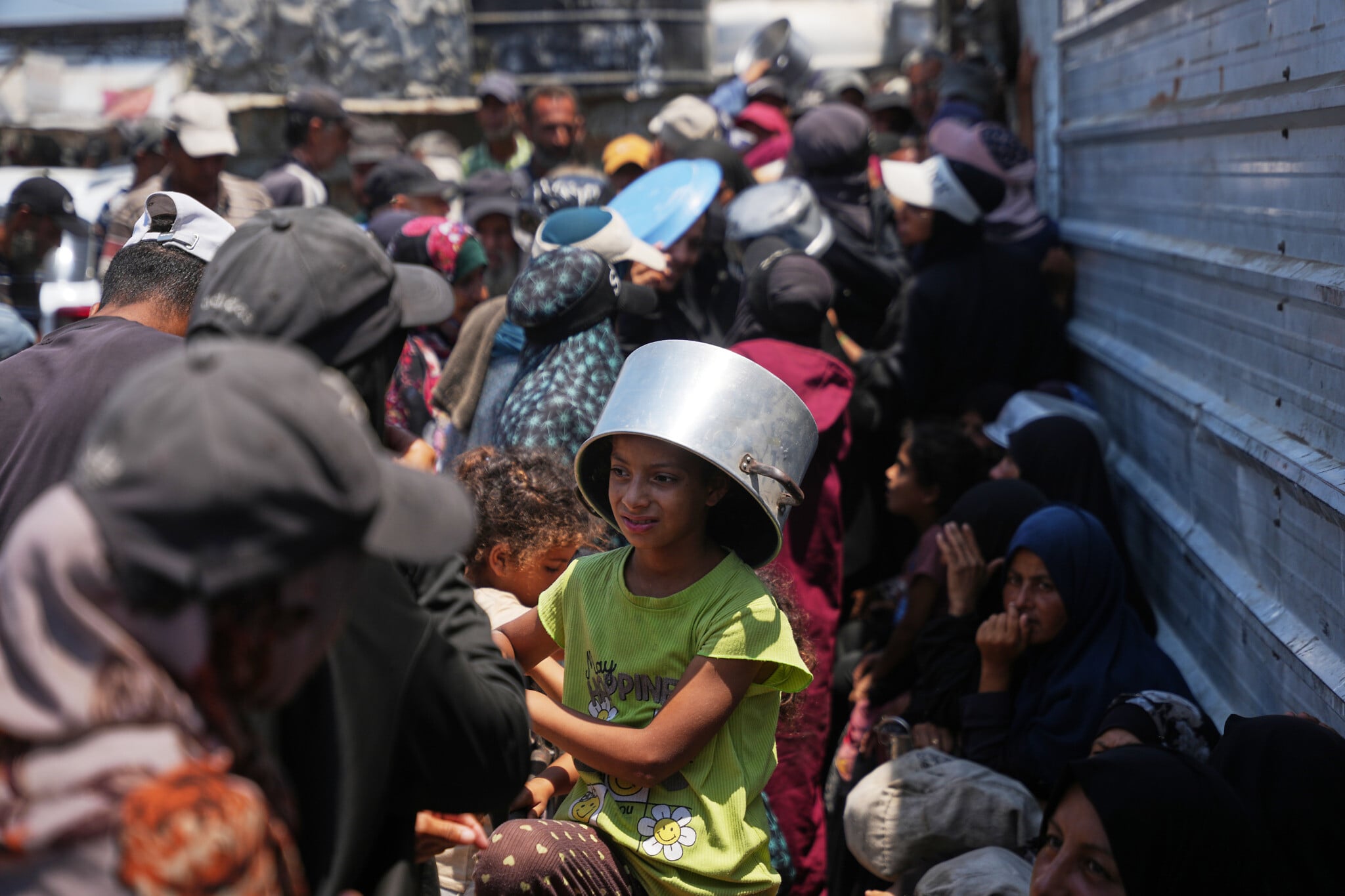
Those commitments include facilitating the entry of 600 trucks of humanitarian aid into Gaza each day; expanding operations at crossings; expanding access to fuel, shelter and medical supplies; and allowing critical infrastructure repairs, the diplomat said, noting that Israel has not met many of those commitments.
Separate from the humanitarian commitments, other steps the Board of Peace still needs from Israel are for it to allow entry into Gaza of the Palestinian technocratic committee tasked with replacing Hamas in governing the Strip, along with the International Stabilization Force responsible for securing the enclave and facilitating the disarmament proposal. Israel has also yet to allow several thousand recruits to the new Palestinian police force to leave Gaza for training in Egypt, the Arab diplomat said.
The source familiar with the matter maintained that the most important demand from Israel has already been met — a halt of its military operations in Gaza.
Netanyahu initially resisted this requirement and authorized a major series of deadly strikes throughout Gaza in the weekend that immediately followed Hamas’s approval of the disarmament plan.
But since August 3, those strikes have subsided.
Now, the Board of Peace is looking for Hamas to follow suit by halting its own military operations throughout the Strip, the Arab diplomat said.
Those include the deployment of armed and uniformed men on the streets of Gaza, the diplomat said, claiming that Hamas has intensified such shows of force in response to Netanyahu’s public rejection of the disarmament plan.
The Trump administration has not been particularly bothered by Netanyahu’s public rhetoric against the proposal, with the senior US official telling reporters that the premier is merely trying to cater to his right-wing base ahead of the upcoming election.
What’s more important are the steps the prime minister has quietly approved, such as the halt on strikes, the US official argued.
But the Arab diplomat noted the long list of steps still needed from Israel and expressed skepticism that they’d all be met before the October 27 election.
The clock starts now?
While the senior US official briefing reporters tried to argue that Israel’s approval of the 15-point plan was not needed, the document’s text suggests otherwise.
“The timetable and implementation mechanisms of this Roadmap shall be prepared within 14 days after all parties approve the Roadmap,” it states.
A Board of Peace official initially claimed to The Times of Israel that Hamas’s July 30 approval of the plan triggered that 14-day period.
A day later, though, the official walked back that assertion, insisting that the 14-day period would not commence until Israel was fully on board.
The Board of Peace has yet to publicly declare the commencement of that initial period, and the Arab diplomat said an announcement may be forgone entirely, as mediators don’t want to be held to a timeline that they may well be unable to meet.
Original Here

|
⭐⭐⭐⭐⭐