Hantavirus on the MV Hondius: Why There's No Reason to Panic
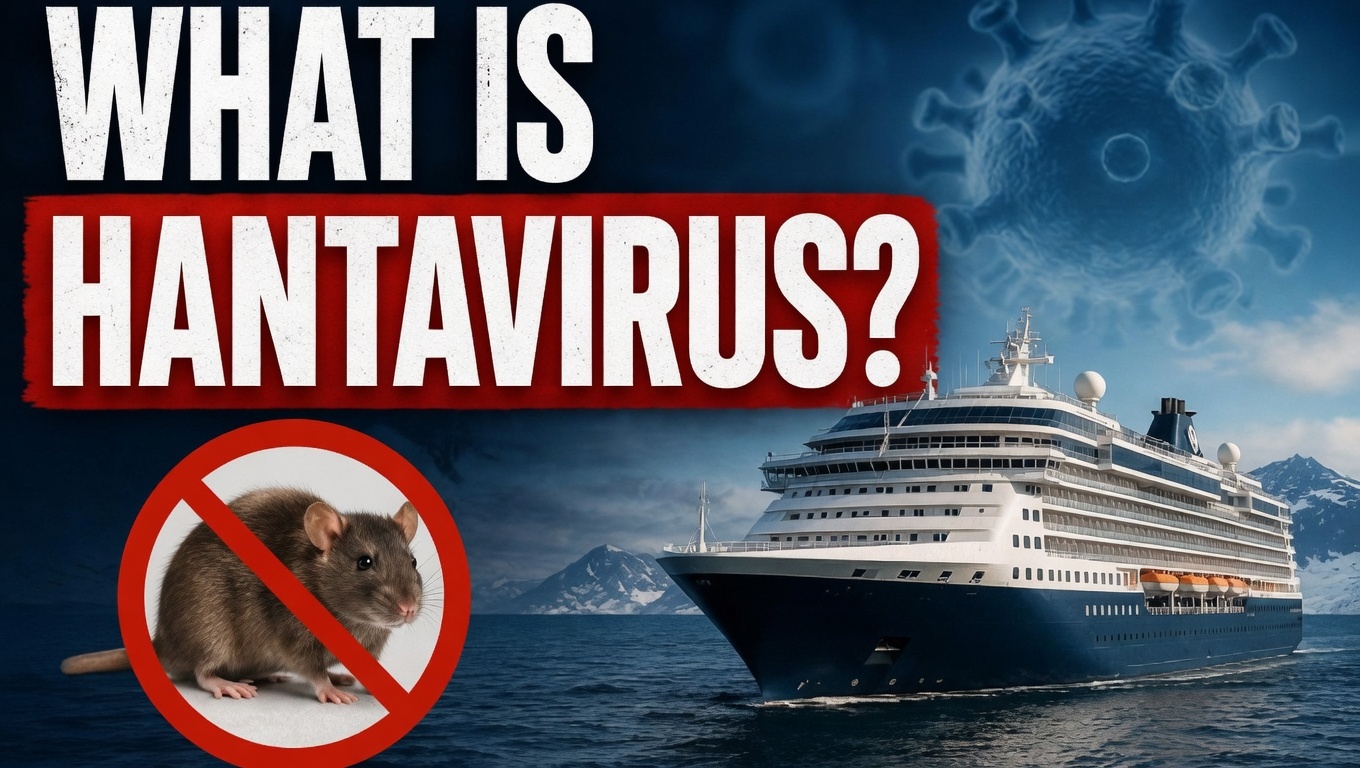 This current hantavirus situation is a contained, rare event involving a virus that is primarily rodent-borne, with very limited potential for wider spread. It is not something the general public should fear.
Background on the Incident
In early 2026, a small cluster of cases emerged among passengers and crew on the Dutch-flagged expedition cruise ship MV Hondius, which had departed from Ushuaia, Argentina — a region where the Andes strain of hantavirus is endemic. As of early May 2026, reports indicated around eight cases (with several laboratory-confirmed as Andes virus), including three deaths. Initial exposures likely stemmed from rodent droppings, urine, or saliva during shore activities or onboard. Passengers have been monitored, evacuated where necessary, and quarantined, with contact tracing underway.
U.S. authorities have been tracking a small number of American passengers returning home, with limited positives or mild symptoms and no evidence of broader community spread in the United States.
Why This Is Not a Cause for Panic: Key Facts
- Hantavirus is rare and mostly rodent-specific.
It is not a novel pathogen. In the U.S., there are typically only 15–50 cases per year, mostly the Sin Nombre strain, which does not spread person-to-person. Across the Americas, annual cases remain in the low hundreds. It spreads primarily through inhaling aerosolized particles from infected rodents' waste — not through casual contact, air travel, or everyday surfaces. - Human-to-human transmission is extremely limited — even with the Andes strain.
The Andes virus is the only hantavirus with any documented person-to-person spread, but it requires prolonged, close contact (such as household or intimate contact with a symptomatic person). Transmission rates are very low, and it does not spread efficiently like respiratory viruses such as flu or COVID. Experts emphasize it remains fundamentally a rodent virus. - No pandemic potential.
Conservative medical analysts, including Fox News senior medical contributor Dr. Marc Siegel, have stated that fear is spreading faster than the virus. Unlike COVID, hantavirus lacks the transmissibility, mutation profile, or reproduction number needed for widespread outbreaks. The risk of it becoming a pandemic is extremely low. - The outbreak is contained to a specific, high-exposure setting.
Even on a cruise ship with close quarters, only a small fraction of those aboard were affected. Standard public health measures — rodent control, contact tracing, and monitoring exposed individuals (accounting for the 1–8 week incubation period) — have historically kept such incidents from spreading further.
Practical Perspective
This incident highlights the importance of basic precautions in rodent-prone areas: proper cleanup using masks and gloves, sealing homes against rodents, and avoiding disturbed nests. However, it does not signal a broader threat to daily life, travel, or the American population. While the mortality rate for severe hantavirus pulmonary syndrome can be significant (around 30–40%), the extremely low incidence and poor transmissibility keep the overall public health burden minimal.
Conservative voices and level-headed medical experts have pushed back against sensationalism, noting that media amplification often exceeds the actual science — similar to previous overhyped health scares. The focus should remain on real, everyday risks and personal preparedness rather than unnecessary fear.
Conclusion
Treat this as a contained cruise-ship incident linked to specific rodent exposure in South America. The risk to the American public remains extremely low. Stay informed through primary data and responsible analysis, but there is no reason for alarm or disruption to normal routines.
Stay calm, stay prepared, and don't let fear dictate your life.

|
⭐⭐⭐⭐⭐