Trump Secures Temporary Ceasefire With Iran as Missile Strikes on Israel Raise Doubts
 By Tex
WASHINGTON, D.C. — A fragile two-week ceasefire between the United States and Iran is now in effect following decisive pressure from President Trump, but renewed missile attacks on Israel are already raising serious concerns about Tehran’s reliability.
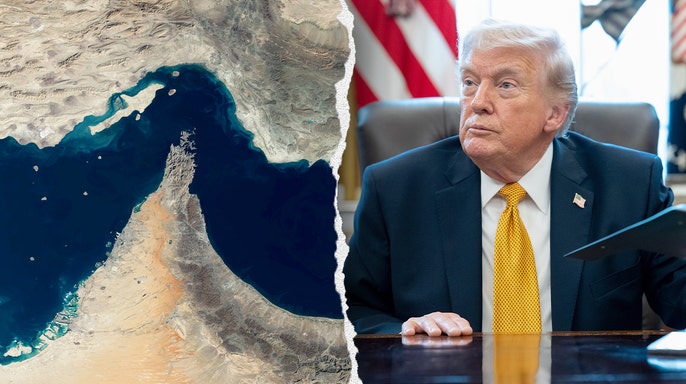
The agreement came after rising tensions in the region, with Iran threatening to disrupt global oil shipments by closing the critical strait. In response, Trump issued a firm warning and set the stage for potential military action, making clear that the United States would not tolerate interference with international trade routes.
Within hours of a looming deadline, Iran backed down and agreed to reopen the strait and enter into a temporary ceasefire. The move was widely seen as a direct result of strong U.S. leadership and a willingness to project force, a hallmark of Trump’s foreign policy approach.
The ceasefire, brokered with the help of international mediators, was intended to create space for broader negotiations while immediately stabilizing oil markets and reducing the risk of a wider regional war.
However, optimism surrounding the agreement was quickly tempered.
Shortly after the ceasefire announcement, Iran reportedly launched missiles toward Israel, America’s closest ally in the region. Explosions were reported in Israeli territory, raising urgent questions about whether Tehran is negotiating in good faith (😂)—or simply buying time.
The situation highlights a long-standing concern among conservative policymakers: that Iran’s regime cannot be trusted to uphold agreements, particularly when its actions are often carried out through proxy forces and loosely controlled military networks.
While it remains unclear whether the missile strikes were directly ordered by Iranian leadership or carried out by affiliated groups, the timing has cast a shadow over the ceasefire’s credibility.
Supporters of the administration argue that the incident underscores exactly why a position of strength is necessary. They point to the rapid reopening of the Strait of Hormuz as proof that firm leadership yields results, while warning that any signs of weakness could embolden further aggression.
Critics, however, caution that the ceasefire may be too limited in scope to address the deeper, long-term threats posed by Iran’s military posture and regional ambitions.
For now, the two-week ceasefire remains in place, offering a narrow window for diplomacy. But with missiles already in the air, the question facing U.S. and Israeli leaders is whether Iran intends to honor its commitments, or exploit them.
As the situation develops, one thing is clear: peace in the region will require not just agreements, but enforcement, and a willingness to act if those agreements are broken.

|
⭐⭐⭐⭐⭐